New review on the mechanisms and multigenerational consequences of transgenerational plasticity now available online!
This article was super fun to write and think about. Check it out here!

This article was super fun to write and think about. Check it out here!
Eric participated in a summer research program and studied the fascinating white sticklebacks with Colby Behrens. At the end of the summer he gave a great talk about the results of their work to the other students participating in the program.
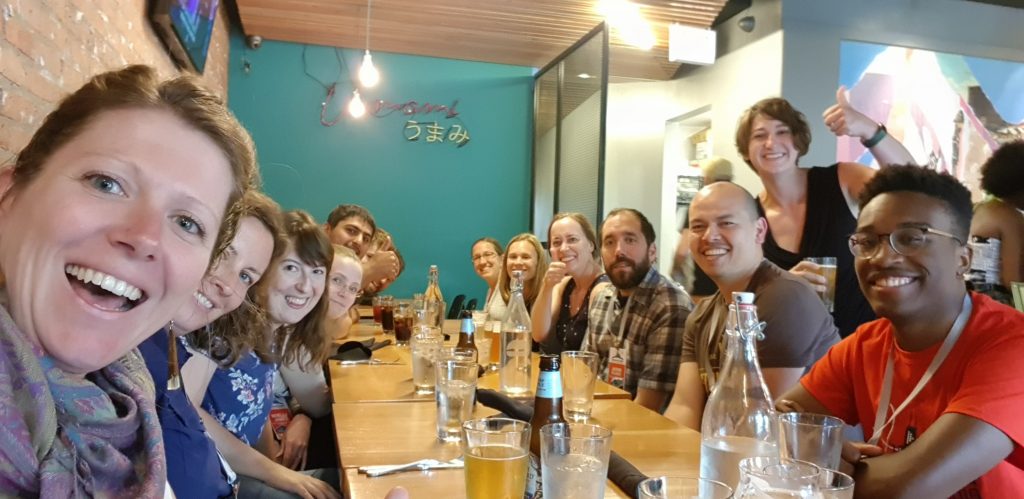
This year was the joint meeting of the 56th Annual Conference of the Animal Behavior Society and the 36th International Ethological Conference. It was in Chicago, IL so there was great representation from the Bell lab. We even got to have a nice Bell lab reunion dinner which included some of the earliest members of …
Miles gave his exit seminar on intraspecific variation in stickleback cognition and then successfully defended his thesis! Congrats Dr. Bensky!
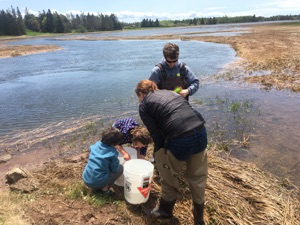
Aided by some faithful assistants, Colby collected “white” and “common” sticklebacks in Nova Scotia to bring to the lab to study. So called “white” sticklebacks do not provide care for their offspring, while “commons” do!
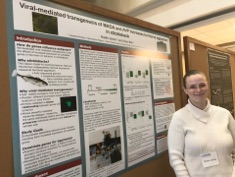
Noelle presented a poster on the new viral-mediated transgenesis method she is developing and won a prize at the IGB Fellows Symposium!